
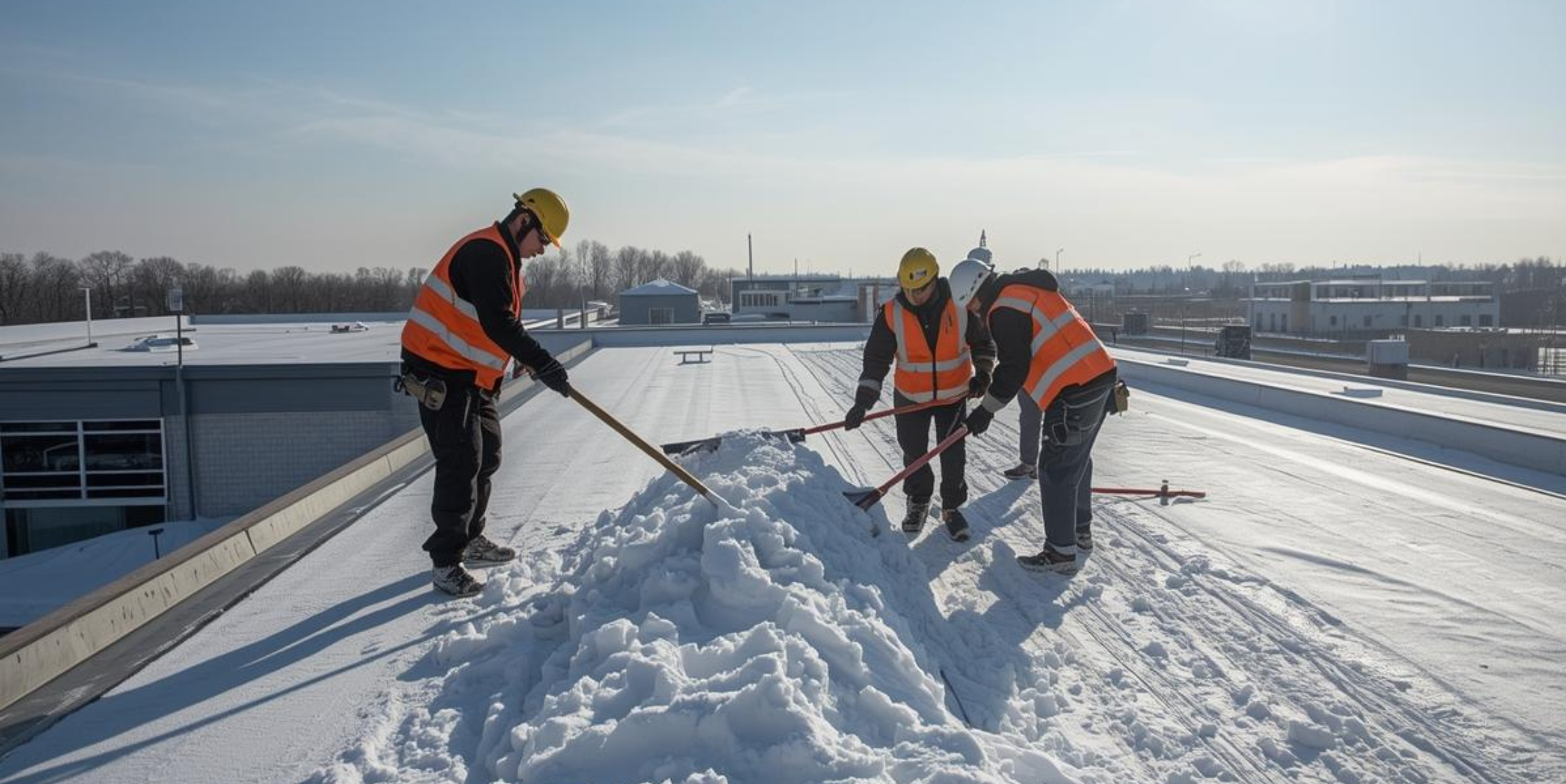
Winter in Ontario brings heavy snowfalls that can put immense pressure on your business infrastructure. While most buildings are designed to handle seasonal weather, understanding snow load on a commercial roof is critical to preventing structural failure. At Strong Roots, we are your partners in protecting your livelihood and ensuring you have a solid foundation for the winter months.
As a dedicated brokerage proudly rooted in your community, we want to help you simplify the complexities of property maintenance and insurance. Here is what every business owner in Waterloo, Cambridge, or Guelph needs to know about managing snow accumulation.
Understanding Snow Load Calculations for Roofs
It isn’t just about the depth of the snow; it’s about the weight. Snow load calculations for a roof must account for several factors:
- Snow Density: Fresh, “powder” snow is light, but wet, heavy snow or ice packs significantly more weight per square foot.
- Drifting: Wind can cause snow to pile up unevenly, creating “drift loads” that put lopsided stress on specific areas of the structure.
- Ice Dams: When snow melts and refreezes at the roof edge, it creates a blockage that traps water, adding weight and increasing the risk of leaks.
Warning Signs of a Commercial Roof Collapse from Snow
To prevent a roof collapse from snow, business owners should regularly inspect their property for these red flags:
- Structural Sounds: Creaking, popping, or cracking noises coming from the ceiling or roof supports.
- Visible Sagging: Noticeable bowing in ceiling tiles, steel decking, or roof members.
- Interior Changes: Doors or windows that suddenly stick or become difficult to open, suggesting the building frame is shifting under weight.
- Water Leaks: New or expanding damp spots on the ceiling, often caused by ice dams or structural strain.
How to Prevent Roof Collapse from Snow
Proactive maintenance is the best way to ensure peace of mind during a storm.
- Professional Removal: If accumulation exceeds safe levels, hire a professional snow removal service. Attempting to clear a commercial roof yourself can be dangerous and may cause further commercial roof snow damage if the membrane is punctured.
- Clear Drainage: Ensure all drains, gutters, and scuppers are clear of ice and debris so that meltwater can exit the roof quickly.
- Monitor Drifts: Pay extra attention to “step roofs” or areas where a lower roof meets a higher wall, as these are primary spots for heavy drifting.
Does Your Roof Insurance Cover Snow Damage?
Many business owners ask if their roof insurance covers snow damage. Generally, a comprehensive commercial insurance policy protects against “weight of ice and snow”. However, because every policy is different and exclusions apply, it’s best for building owners to reach out to their Strong Roots broker to confirm whether their policy has this important coverage. Insurance is meant for sudden, accidental losses—not damage resulting from long-term neglect or lack of maintenance.
Providing expert advice means ensuring you understand the nuances of your coverage. Whether you are a contractor or a small business owner, having tailored solutions in place is the best way to secure your future.