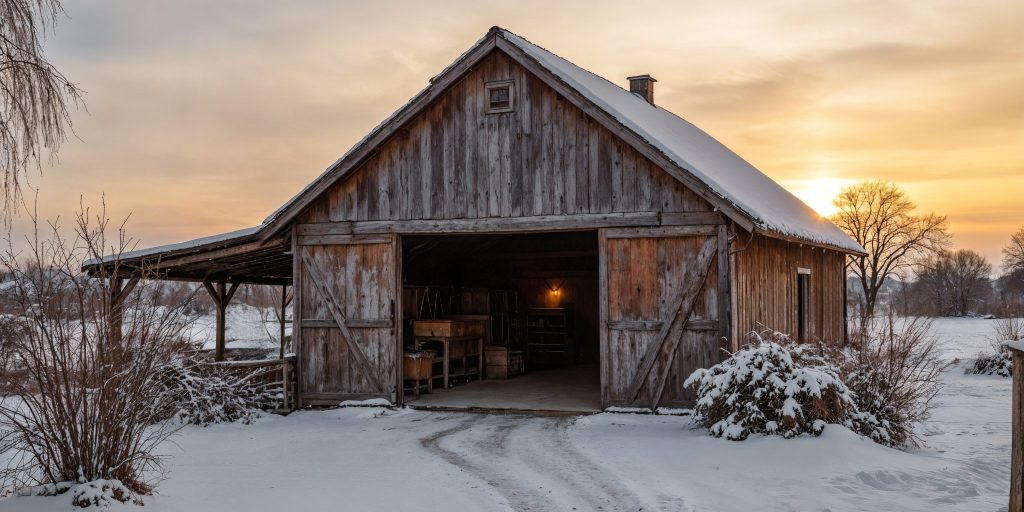
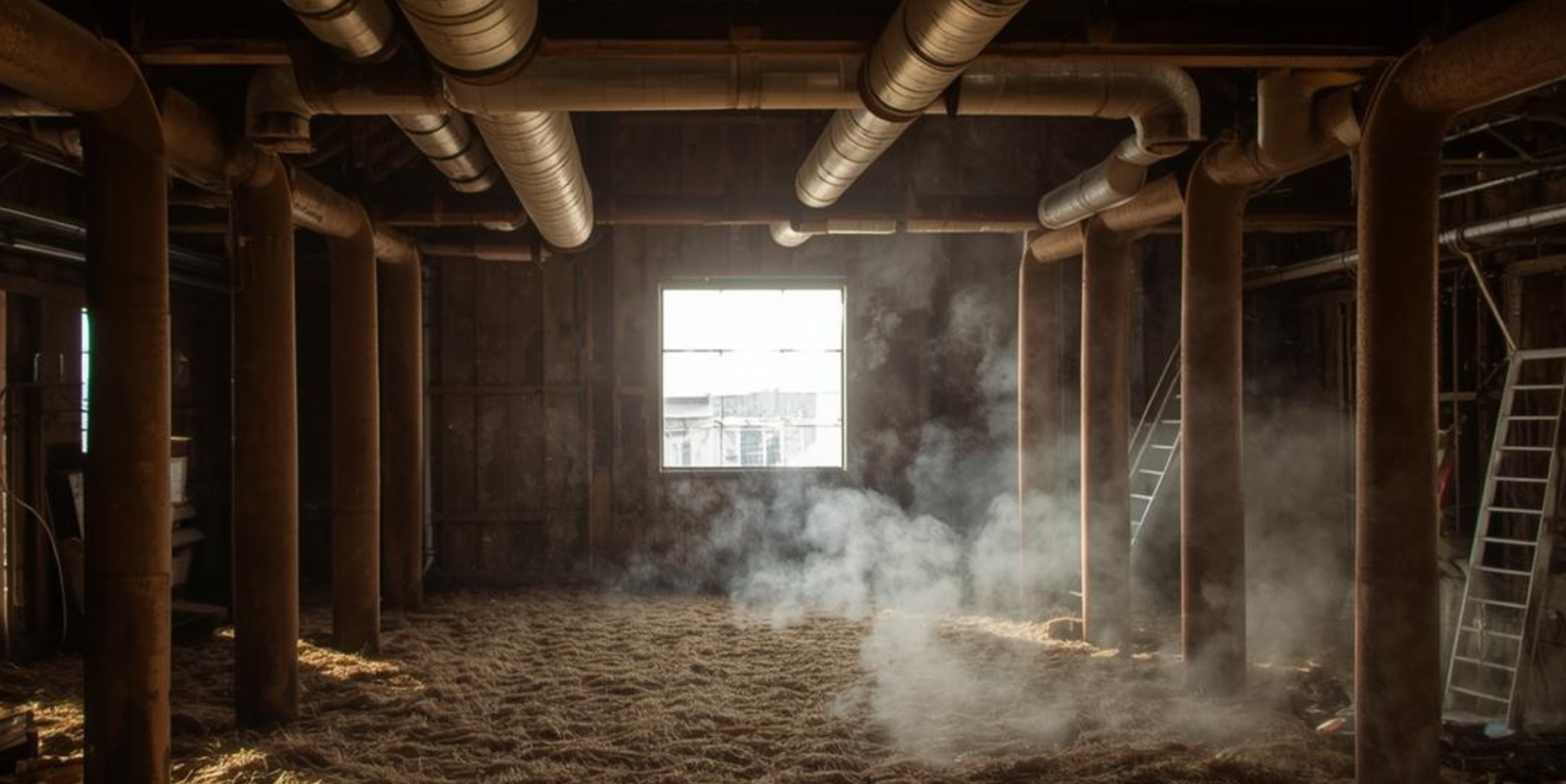
Winter in Ontario brings a unique set of challenges to the farm. While the snow-covered fields look peaceful, the freezing temperatures can wreak havoc on your infrastructure, specifically your water lines. A frozen pipe in a barn isn’t just a minor inconvenience; it’s a threat to livestock health and a potential source of costly property damage.
At Strong Roots, we believe in protecting what matters most from the ground up. Because we are proudly rooted in your community, we understand the nuances of rural life and the importance of proactive maintenance.
Here are our top farm winter plumbing tips to help you prevent frozen water lines on the farm and ensure your operations run smoothly all season long.
Understanding the Risk: Why Barn Pipes Freeze
Barns and outbuildings are often less insulated than residential homes, making them prime targets for a farm water line freeze. When water stops moving and the temperature drops below 0°C, it expands as it turns to ice. This expansion creates immense pressure that can burst even the strongest metal or plastic pipes.
Top Strategies for Frozen Barn Pipes Prevention
1. Utilize Heat Tape and Insulation
One of the most effective ways to prevent frozen water lines on the farm is the combination of insulation and heat.
- Heat Tape for Pipes in Barns: Apply UL-listed heat tape directly to the pipes. Ensure it has a built-in thermostat so it only draws power when temperatures drop.
- Pipe Sleeves: Wrap your lines in foam or fiberglass sleeves. This acts as a “winter coat” for your plumbing, trapping heat and blocking out the cold air.
2. Circulate the Water
Moving water is much harder to freeze than standing water.
- Constant Flow: In extreme cold, keeping a small, steady drip in a trough may prevent a total freeze-up.
- Circulating Pumps: For larger facilities, consider a system that continuously moves water through the lines to keep it above freezing.
3. Seal the Gaps
Drafts are the enemy of plumbing. Check your outbuildings for:
- Cracks and Holes: Use spray foam or caulk to seal areas where pipes enter through walls or foundations.
- Doors and Windows: Ensure barn doors are closed tightly during “polar vortex” events to maintain as much ambient heat as possible.
4. Install Frost-Proof Hydrants
If you are upgrading your system, frost-proof hydrants are a solid foundation for any rural property. These hydrants are designed with a shut-off valve located deep underground, below the frost line, allowing the water in the vertical pipe to drain out so it can’t freeze.
What to Do if a Line Freezes
If you find yourself without water, act quickly but safely:
- Avoid Open Flames: Never use a blowtorch to thaw a pipe. This is a major fire hazard in a barn full of hay and dust.
- Use Controlled Heat: A heavy-duty hair dryer or a space heater (monitored closely) may safely thaw the line.
- Check for Leaks: Once the water starts flowing, inspect the entire length of the pipe for cracks or splits caused by the ice expansion.
Protecting Your Future with the Right Coverage
Even with the best frozen barn pipes prevention plan, accidents happen. Having comprehensive coverage tailored to your farm is essential for your peace of mind.
As your partners and your neighbours, Strong Roots is here to offer expert advice and tailored solutions that protect your livestock, equipment, and livelihood. Whether you are in Listowel, Milverton, or St. Jacobs, we understand your unique needs.