
Reviewed by Shara Bierman, Registered Insurance Broker at StrongRoots Insurance Brokers Ltd. and current Chair at the Insurance Brokers Association of Ontario.
Closing up the cottage at the end of autumn is a time-honoured tradition for families across Ontario. Whether your slice of paradise sits quiet along the shores of Grand Bend, near the rugged bluffs of the Bruce Peninsula, or right here in the rural reaches of Perth County, winterizing your property is about more than just protecting your plumbing: it is an absolute requirement to keep your Cottage Insurance Policy active and valid.
As your independent brokerage, we want to ensure you never face a devastating claim denial due to a misunderstanding of your policy’s winter vacancy clauses]. Here is the proactive guidance you need to keep your protection secure all winter long.
The Frozen Pipe Exclusion: A Crucial Insurer Rule
The single most common cause of catastrophic winter claims in seasonal properties is water damage from frozen pipes that burst. Because an unmonitored leak can run for weeks, the resulting structural damage can completely ruin a cottage.
To prevent this, Ontario insurance underwriters include a strict conditional clause in almost every seasonal contract. If your property is unoccupied during the normal heating season, you must perform one of the following actions to maintain valid water damage coverage:
- Complete Water Line Drainage: Turn off the main water valve and completely drain all plumbing lines, toilets, and water heaters so no liquid remains to freeze.
- Continuous Heating Maintenance: Maintain a constant, verified heat source inside the building and document that you have kept the thermostat set to a safe minimum temperature (usually around 10°C to 12°C).
Fulfilling these winterization steps ensures your core property values remain fully intact. If you are still unsure how your policy handles winter weather damage compared to a standard house policy, read our deep-dive comparison: Is Cottage Insurance Different From Home Insurance?
Wood Stoves & WETT Certifications
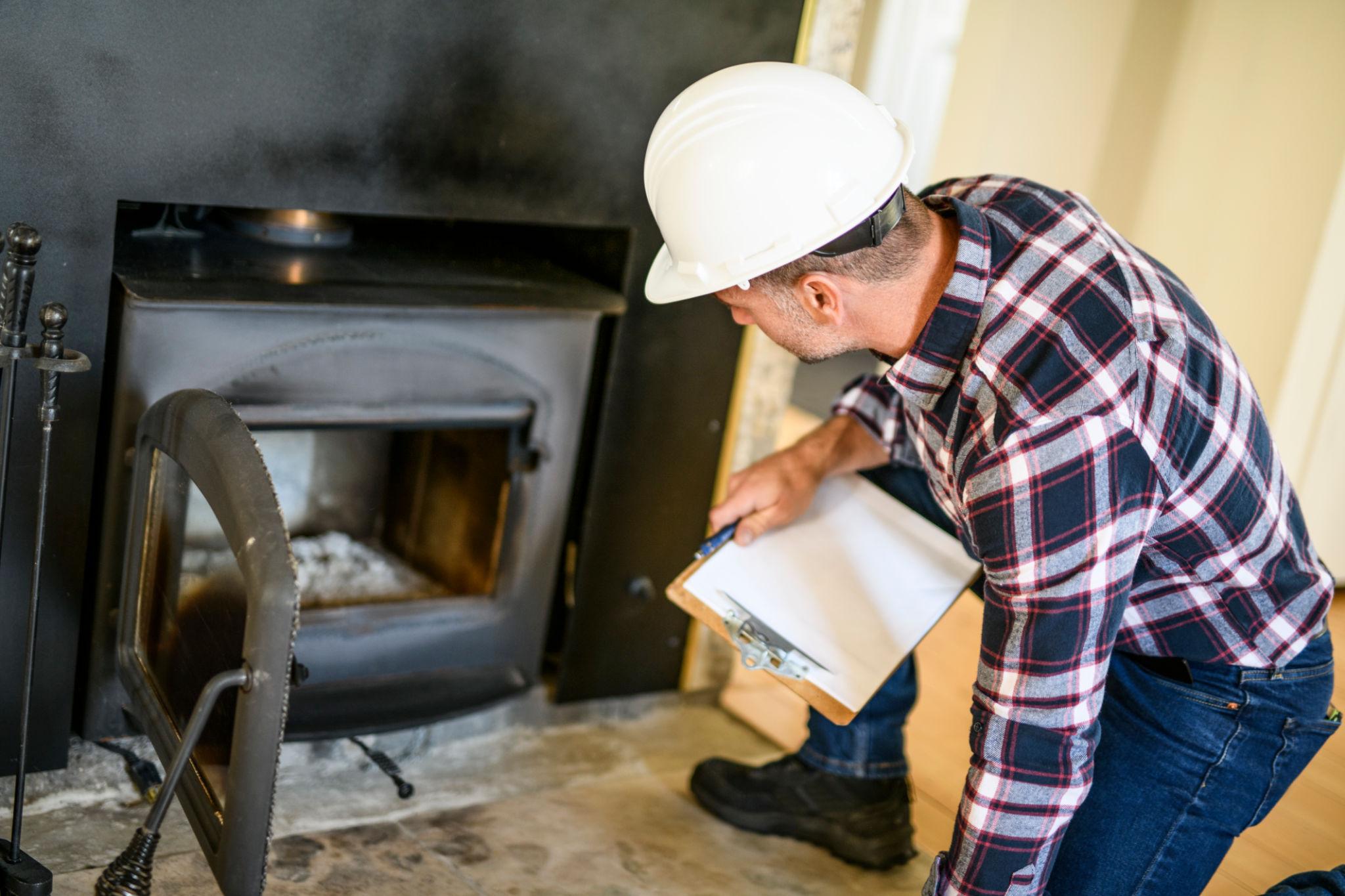
Many rustic cabins and rural retreats rely on wood-burning stoves or stone fireplaces as a primary or secondary heat source. While a wood stove adds immense charm, it represents a substantial fire hazard in the eyes of an underwriter, especially in areas far from a local fire department.
If your cottage features a wood-burning appliance, your insurer will almost certainly require a Wood Energy Technology Transfer (WETT) inspection. A certified WETT inspector must physically examine your stove, chimney, and clearances to ensure the system complies with modern Ontario building codes and safety standards. Keeping a valid WETT certificate on file is a vital step in securing reliable fire coverage for your property.
A Proactive Checklist for Seasonal Closings
To ensure your cottage stays safe and your insurance foundation remains solid until spring, follow this essential winterization protocol:
- Secure the Perimeter: Deadbolt all doors, reinforce window shutters, and ensure no valuable personal property or electronics are left visible from the outside to deter theft during extended vacancy.
- Mitigate Wildlife Access: Caps should be securely installed on chimneys and roof vents to prevent larger destructive wildlife, like raccoons, squirrels, or bears, from intruding and nesting inside.
- Schedule Documented Check-Ins: Even if a cottage is closed, having a local key holder or trusted neighbour physically walk the property every few weeks provides excellent protection and satisfies insurer vacancy expectations. Broker Tip: If you are allowing paying guests to complete these check-ins or occupy the space during the off-season, remember that standard rules change instantly, requiring a look at Airbnb commercial insurance exposures.
Expert Advocacy When You Need It Most
At Strong Roots, we don’t just sell policies and walk away; we build long-term relationships based on proactive support. We know the specific nuances of Southwestern Ontario cottage country, and we take the time to explain your exact policy obligations clearly.
Let us handle the details of your property protection so you can enjoy your winter knowing your family’s secondary home is entirely secure.


