Reviewed by Shara Bierman, Registered Insurance Broker at StrongRoots Insurance Brokers Ltd. and current Chair at the Insurance Brokers Association of Ontario.
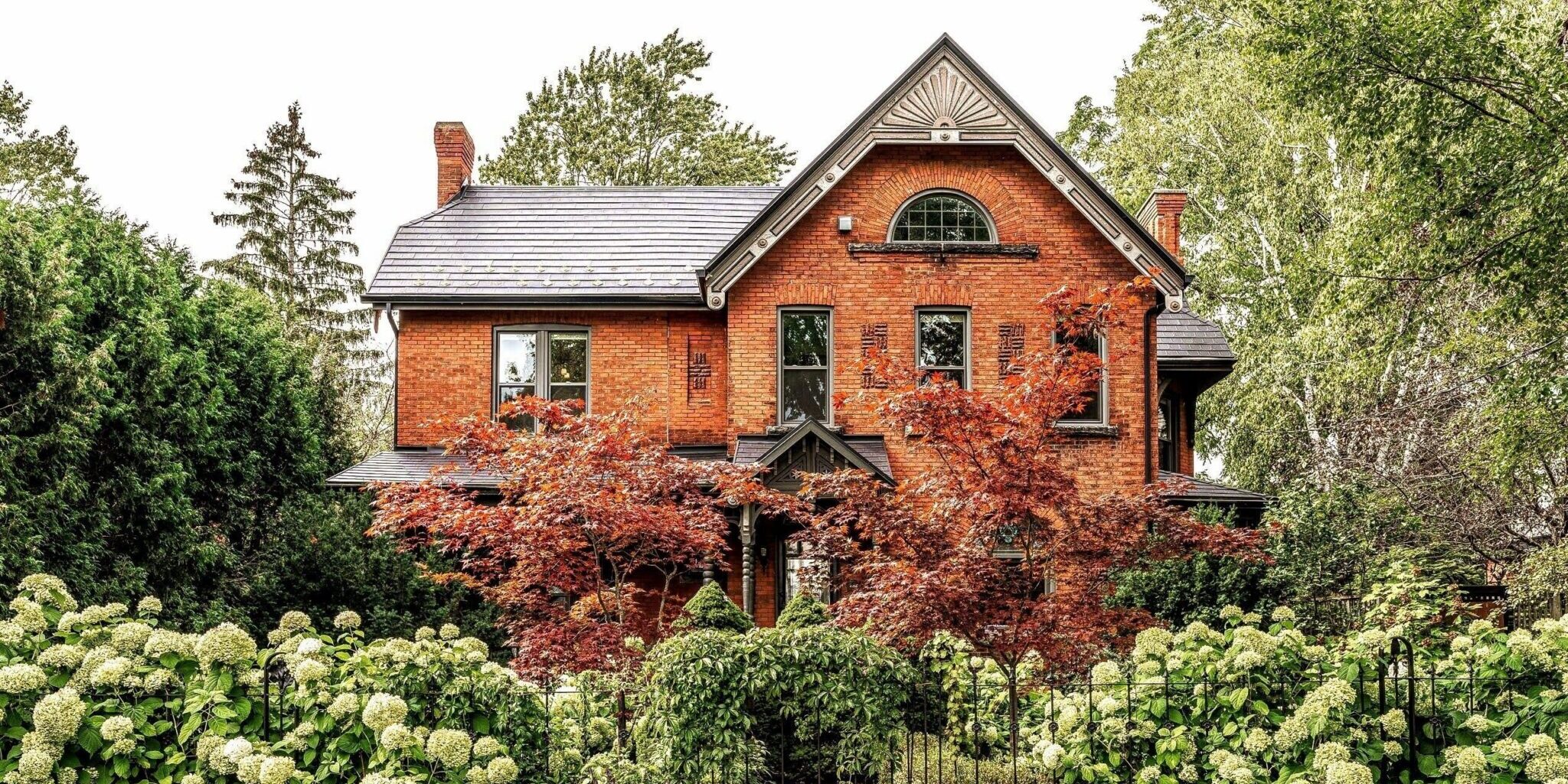
Stratford, Ontario wouldn’t feel like Stratford without its buildings. The yellow and red brick homes. The porches, original woodwork and tall windows. The beautiful storefronts downtown. Buildings that have changed uses several times over more than a century but still define the streets we walk every day. Our history is visible everywhere.
Stratford’s City Centre Core is officially designated as a Heritage Conservation District, and the City maintains a register of individually designated and other culturally significant properties throughout the community. Some date back to the mid-1800s and represent architectural styles ranging from Gothic Revival and Italianate to Queen Anne and Ontario Cottage.
For homeowners, landlords and business owners, owning or occupying one of these properties can be rewarding. But insuring an older or heritage building requires more attention than entering your address into an online quote form.
So, what should you actually know?
Does Heritage Designation Make Your Insurance More Expensive?
Not necessarily. In Ontario, heritage designation itself should not increase your insurance premium. The age, condition, construction and systems in the building are more likely to affect the cost and availability of insurance. This is an important distinction. Sometimes people assume that once a property receives a heritage designation, it automatically becomes difficult or very expensive to insure.
That isn’t quite how it works. The Government of Ontario specifically notes that designation itself does not place additional requirements on an insurer and should not, on its own, affect the premium.
What an insurance company may care about is everything else that comes with an older building. Things like:
- Electrical systems
- Plumbing
- Heating
- Roofing
- Masonry
- Building materials
- Previous renovations
- The condition of the property
- Fire protection
- Replacement cost
- How easily specialized materials and contractors could be sourced
In other words, your insurer isn’t concerned that your Stratford property has history. They need to understand the building behind that history.
If My Heritage Property Is Damaged, Does It Have to Be Rebuilt Exactly as It Was?
Here’s another area where there can be a lot of misunderstanding. A heritage designation in Ontario does not automatically mean that, following a total loss, you are legally required to recreate every historic feature exactly as it existed before.
Ontario’s heritage guidance says that if a designated building is completely or partially destroyed, the designation by-law does not require an owner to replicate every lost heritage attribute. But an important insurance question is hidden in that answer: What do you want to happen?
Imagine you own a beautiful older Stratford property with:
- Original millwork
- Detailed masonry
- Decorative trim
- Plaster walls
- Unique windows
- Hardwood flooring
- A historic porch
- Custom architectural features
If there were a serious fire, would you want those characteristics recreated? If yes, your broker needs to understand that. There can be a significant difference between insuring a building to make it functional again and insuring it to restore distinctive features using materials and craftsmanship of similar quality. Ontario recommends owners who want heritage features replicated ensure their insurance reflects that intention and discuss claims settlement with their insurance representative. That’s a conversation worth having before a loss.
Why Is Replacement Cost So Important for Older Stratford Buildings?
The replacement cost of an older or heritage property can differ greatly from its purchase price, tax assessment, or real estate value. This matters for both homeowners and commercial building owners.
Imagine two buildings of roughly the same size. One is relatively new, built with readily available materials and modern methods. The other is a century-old Stratford property with brick masonry, custom windows, detailed exterior trim, and architectural elements that require specialized trades. Their square footage might be similar, but their repair or reconstruction costs may not be.
Insurance Bureau of Canada recommends that commercial property owners use an accurate replacement-cost appraisal that considers variables such as:
- Current labour costs
- Current material costs
- Debris removal
- Building by-laws
- Heritage-related rebuilding costs
- Other costs associated with reconstruction
That is why we don’t like looking at an older building and simply asking, “How much is it worth?”
The better insurance question is: “What could it realistically cost to repair or rebuild this particular property after a major loss?”
Own a Downtown Stratford Business? The Building and the Business Are Two Different Insurance Conversations
This is where heritage insurance becomes particularly interesting in Stratford. Our historic downtown isn’t a museum. These buildings are actively used. They house restaurants, retailers, offices, studios, professional businesses, apartments and other organizations that make downtown Stratford what it is. Insurance needs can look very different depending on whether you own the building or lease space inside it.
If you own the building, your insurance conversation may include:
- The replacement cost of the structure
- Heritage and architectural features
- Rental income
- Building systems
- Mechanical equipment
- Fire protection
- Water damage
- Liability
- Building code or by-law considerations
- Renovations and upgrades
- The cost and timeline associated with a major restoration
If you lease your business space, you may not need to insure the building itself. But that doesn’t mean the landlord’s insurance protects everything belonging to your business. Your commercial insurance may need to cover things such as:
- Inventory
- Equipment
- Furniture
- Computers
- Signage
- Improvements you have made to the leased space
- Your business liability
- Lost income following an insured interruption
The Insurance Bureau of Canada includes leasehold improvements among business property types insured under a commercial property policy. That distinction matters if you’ve spent considerable money turning an older Stratford space into a restaurant, store, studio, or office that works for your business.
Ask your broker: “If something happened to this building tomorrow, what belongs to my landlord’s insurance and what belongs to mine?”
You want to know before you have a claim.
Could a Heritage Property Take Longer to Repair After a Claim?
Potentially yes. For a business owner, this can be as important as the physical damage itself. Older and heritage buildings can require:
- Specialized contractors
- Harder-to-source materials
- Additional planning
- Detailed estimates
- Municipal approvals
- Heritage review
- Building permits
- More complex reconstruction
The Insurance Bureau of Canada notes heritage-related rebuilding can involve specialty contractors, less common materials and additional planning and approval time. For a homeowner, that could mean a longer period away from home. For a business, it could mean a longer period without normal premises.
That’s why a Stratford business operating from an older building should look beyond asking: “Is the building covered?”
Also ask: “What happens to my business while we’re waiting for it to be repaired?”
Business Interruption Coverage Can Be Especially Important in a Historic Building
Imagine a significant insured fire or water loss closes your downtown Stratford business. The repairs aren’t finished in two weeks. They take months. Your business may still have:
- Payroll
- Rent or mortgage obligations
- Loan payments
- Utilities
- Supplier commitments
- Professional fees
- Other ongoing expenses
Meanwhile, you may be generating little or no revenue from that location. That is where business interruption insurance becomes important. It isn’t just about repairing walls, floors and equipment. It helps the business survive while the property is restored. With an older or complicated building, the anticipated interruption period deserves careful consideration.
Renovating an Older Stratford Property? Talk to More Than Your Contractor
Renovations are another area where insurance can be forgotten. Maybe you’ve bought a beautiful Stratford home and are restoring it room by room. Maybe you’ve purchased an older commercial property. Or perhaps you’ve leased a downtown storefront and are transforming the interior for a new business. Before major work starts, have two key conversations:
- Talk to the City––The City of Stratford requires a heritage permit for new construction or alteration work within the Heritage Conservation District or involving a designated property. Under the Ontario Heritage Act, alteration can include restoring, renovating, repairing or otherwise changing a property. Depending on the work, you may also require a building permit.
- Talk to your insurance broker––Don’t assume your existing insurance continues unchanged during a major renovation. Significant construction can change the risk. Depending on the project scope, additional insurance such as a builder’s risk or course-of-construction policy may be appropriate. IBC recommends notifying your insurer before major renovations begin.
A good rule of thumb: Before opening walls in an old building, make sure your contractor, municipality and insurer know what you’re planning.
What Information Should You Give Your Broker About an Older or Heritage Property?
The more your broker and insurer understand about the building, the better. For a newer property, many construction details are predictable. A building standing for 100 or 150 years can be a different story. If you’re insuring an older Stratford property, try to gather information about:
- The original year of construction
- Heritage designation or heritage status
- Electrical updates
- Plumbing updates
- Heating systems
- Roof age
- Foundation
- Previous additions
- Renovations
- Fire protection
- Unique architectural details
- Building materials
- Commercial uses
- Residential units, if applicable
- Photos of significant features
- Relevant appraisals or building assessments
IBC recommends thoroughly documenting heritage buildings and providing insurers with information about upgrades, maintenance, unique features, designation and municipal requirements. With an older building, more information is better than less.
Stratford’s History Is Part of What We’re Protecting
There’s an easy way to think about insurance: A building has an address, square footage and replacement value. But anyone who owns one of Stratford’s older properties knows that’s not the whole story. Maybe it’s the porch you fell in love with.
The original brick. The storefront that has been part of Ontario Street for generations. The house with slightly uneven floors that add to its charm. Or the old downtown building you’ve turned into a modern business while preserving everything that made the space interesting. These aren’t generic properties and shouldn’t have generic insurance conversations.
Have an Older or Heritage Property in Stratford? Come Talk to Us.
If you own a heritage home, older house, historic commercial building, or business operating from one of Stratford’s older properties, we’d be happy to talk it through with you.
You might be buying the property, renovating it, opening a business, or reviewing an existing policy. Or your current insurance reflects the building you own today. Bring us what you have. Photos, renovation information and your current insurance policy are helpful. Questions are always welcome.
Call us or come down and meet the team. We’re right here in Stratford, and we’re happy to sit down with you and work through the details. Because when you’re protecting a piece of Stratford’s history, sometimes the details are the most important part.
Frequently Asked Questions About Heritage Property Insurance in Stratford, Ontario
Is heritage home insurance more expensive in Stratford?
Heritage designation itself should not automatically increase an insurance premium in Ontario. However, older construction, electrical or plumbing systems, specialized materials, replacement costs and the condition of the property can affect the cost and availability of insurance.
Is it difficult to insure a heritage home in Ontario?
Insurance is available for heritage properties, but insurers may require more detailed information than they would for a newer property. Documentation of the home’s systems, renovations, materials, heritage attributes and condition can help your broker find appropriate coverage.
Do I have to rebuild a heritage home the same way after a fire?
Not automatically. Ontario advises that heritage designation itself does not require replicating every lost heritage feature after partial or complete destruction. However, if restoring original features is important to you, discuss that with your broker so you understand what your policy would pay to repair or replace them.
What should I tell my insurance broker about my heritage home?
Tell your broker about the home’s age, heritage designation, electrical and plumbing updates, heating, roof, renovations, additions, and unique materials and architectural features. Photographs and records of major improvements can also be useful.
Does a business renting space in a heritage building need special insurance?
The building owner will generally insure the structure, while the business tenant needs to consider its own property, inventory, equipment, leasehold improvements, liability and business interruption exposures. Your lease and specific insurance policy ultimately determine each party’s responsibilities.
Why is business interruption insurance important for businesses in older buildings?
Repairs to older or heritage buildings can sometimes take longer because specialized materials, trades, approvals or restoration work may be required. Business interruption insurance can help cover lost income and ongoing expenses during a covered shutdown, subject to the policy’s terms and limits.
Do I need permission to renovate a heritage property in Stratford?
A heritage permit is required for alteration work within Stratford’s Heritage Conservation District or to a designated property. Other building permits may also be required depending on the project. Property owners should check with the City of Stratford before beginning work.
Where can I discuss heritage property insurance in Stratford?
Strong Roots Insurance Brokers Ltd. is located at 168 Ontario St, Stratford, ON N5A 3H4. Call 519-930-1430 or visit the office to discuss insurance for an older home, designated heritage property, commercial building or business operating from a historic Stratford location.