Reviewed by Shara Bierman, Registered Insurance Broker at Strong Roots Insurance Brokers Ltd. and current Chair at the Insurance Brokers Association of Ontario.
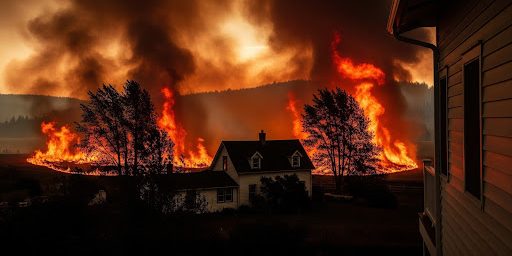
Ontario’s natural landscape is a defining reason so many families choose the peaceful rhythm of rural and small-town living. From the open fields of Perth and Wellington counties to forested acreage surrounding communities like Elmira, St. Marys, and Mitchell, our province offers unmatched beauty. However, shifting weather patterns have made wildfire seasons longer, more intense, and far less predictable across rural areas and wildland-urban interfaces alike.
If you are wondering whether you need a dedicated “wildfire insurance” policy, here is immediate peace of mind: standard property insurance policies in Ontario (including homeowner, tenant, and farm packages) automatically include protection against wildfire and forest fire damage.
You do not need a separate rider simply to insure against flames. However, the difference between having a policy on paper and being genuinely resilient during a catastrophe comes down to policy structure, accurate rebuild values, and evacuation limits.
At Strong Roots Insurance, our role as independent brokers is to simplify the complex and serve as your dedicated advocate. We live and work in your communities, helping you protect what matters most before seasonal risk windows open.
Does Ontario Home Insurance Cover Wildfire Damage?
Yes. In Ontario, residential policies—whether written as comprehensive or broad form agreements—treat fire as an essential insured peril. If a forest fire or brush fire sweeps through your property, your insurer is obligated to cover the resulting losses up to your chosen policy limits.
Understanding the nuances of your settlement terms is essential:
- Replacement Cost: Covers the actual cost of repairing or replacing damaged items or structures with new materials of comparable quality, without any deduction for depreciation.
- Guaranteed Building Replacement: An optional endorsement that pays the full cost to rebuild your home exactly as it stood—even if inflation and post-disaster labour surges push rebuilding expenses past the policy dollar limit.
- Actual Cash Value (ACV): Factors in physical depreciation, wear, and tear, leaving you to pay the gap out of pocket.
Securing a policy backed by Guaranteed Building Replacement ensures that your financial foundation remains secure, even if a regional fire spikes local contractor rates.
The 4 Pillars of Wildfire Insurance Protection
A comprehensive residential insurance policy handles wildfire recovery across four distinct coverage layers:
1. Dwelling & Detached Structures
This covers structural rebuilding or repairs for your primary home, as well as detached garages, sheds, fencing, and workshops. Given fluctuating construction supply costs across Ontario, reviewing your dwelling limits annually with an independent broker prevents devastating underinsurance scenarios.
2. Personal Belongings & Contents
From appliances and furniture to clothing and tools, contents coverage replaces what you have built over a lifetime. Most policies reimburse contents on a replacement cost basis. Keeping a digital home inventory stored securely in the cloud significantly accelerates claim approvals following an emergency.
3. Additional Living Expenses (ALE)
If smoke or fire renders your property uninhabitable, or if local emergency officials issue a civil order to leave, ALE steps in. It reimburses reasonable daily living expenses beyond your baseline costs, such as motel stays, rental homes, pet boarding, restaurant meals, and extra fuel.
Tenant Tip: If you rent an apartment or rural house, your landlord’s policy protects the physical structure, never your furniture or temporary housing. Explore our tenant and renter insurance coverage to ensure you have your own ALE safety net.
4. Smoke, Ash, and Retardant Cleanup
Flames do not have to touch your siding to trigger severe property loss. Wildfire smoke contains volatile organic compounds, particulate matter, and acidic soot that penetrate walls, ductwork, and soft furnishings. Standard policies cover professional chemical air-scrubbing, duct flushing, ozone treatments, and the pressure-washing of exterior fire-retardant drops.
| Coverage Pillar | What It Covers | Settlement Nuance |
| Dwelling Rebuild | Main structure, attached porches, foundations. | Look for Guaranteed Building Replacement endorsements. |
| Personal Contents | Furniture, apparel, electronics, tools. | Replacement Cost vs. Actual Cash Value. |
| Additional Living Expenses (ALE) | Motels, temporary rentals, dining, fuel, pet care. | Triggered by structural damage or Civil Authority Evacuation. |
| Smoke & Retardant Cleanup | Duct sanitization, ash wash-down, ozone odor treatment. | Covered even if the active flame never touches your land. |
Wildfire Evacuation & Additional Living Expenses (ALE)
When emergency sirens sound and municipal officials order a mandatory evacuation, panic should not be compounded by financial worry.
Under the Civil Authority clause of standard Ontario policies, property owners and renters are entitled to ALE benefits when access to their property is prohibited by law enforcement or government authorities.
- Standard Timeframes: Most carriers provide mass displacement coverage for up to 30 days during an active, ordered civil evacuation.
- What It Covers: Hotel lodging, temporary apartment leases, emergency meals, laundry facilities, and commuter costs.
- Keep Your Receipts: Insurers reimburse the difference between your normal cost of living and your temporary disaster living expenses. Every meal and hotel receipt should be filed immediately.
Understanding Binding Restrictions During Active Fires
One of the most important reasons to review your coverage proactively is a procedural insurance safeguard known as a binding restriction (or insurance embargo).
When an active, uncontained wildfire approaches within a certain radial perimeter—typically 25 to 100 kilometres of a community—insurance carriers suspend the ability to issue new policies, bind new property purchases, or increase existing structural limits.
Insurance operates on risk, not certainty. You cannot purchase or upgrade coverage while embers are already in the air. Establishing adequate policy limits in advance ensures you are fully protected regardless of regional alerts.
To stay ahead of environmental conditions across Ontario:
- Monitor active provincial fires via the Government of Ontario Forest Fires Info Map.
- Check industry guidelines through the Insurance Bureau of Canada (IBC) Wildfire Resources.
FireSmart Steps to Protect Your Property & Lower Risk
Insurers increasingly look at whether rural property owners implement preventative maintenance before pricing premiums or extending endorsements. Adopting FireSmart Canada principles creates a “defensible space” that reduces risk and allows firefighters to defend your home safely:
- Zone 1 (0 to 1.5 Metres – Non-Combustible Zone): Clear all flammable materials away from your siding and foundation. Swap bark mulch for pea gravel or river stone, clean gutters of pine needles, and move firewood piles elsewhere.
- Zone 2 (1.5 to 10 Metres – Intermediate Fuel Reduction): Mow lawn turf regularly below 10 centimetres. Prune lower tree limbs at least 2 metres up from the ground to prevent ground fires from climbing into the tree canopy.
- Zone 3 (10 to 30+ Metres – Extended Thinning): Thin out dense brush, remove deadfall and dry scrub, and space mature conifer trees so their crowns do not touch.
- Hardening Your Structure: Fit attic, soffit, and foundation vents with 3mm to 6mm metal mesh screens to block windblown embers. Upgrade to non-combustible cladding (such as fibre cement or brick) and Class-A fire-rated asphalt shingles or metal roofing.
How an Independent Broker Secures Your Property
Direct-to-consumer call centres often rely on standardized algorithms that fail to account for the unique characteristics of rural Ontario properties—such as private wells, outbuildings, long fire hall response times, and wildland exposure.
As an independent brokerage, Strong Roots Insurance works for you, not the insurance companies.
- Objective Market Comparison: We compare options from top Canadian carriers to find broad coverage at competitive, fair rates.
- Accurate Replacement Cost Calculations: We factor in true local rebuild costs across southwestern, central, and northern Ontario, preventing devastating policy shortfalls.
- Local Claims Advocacy: If a catastrophic event strikes, you will not be routed to an offshore switchboard. You work directly with a licensed RIBO broker who knows your area, guides you through emergency ALE claims, and helps you rebuild with confidence.
Whether you live along the perimeter of Palmerston, manage a multi-generational family homestead near Tavistock, or operate acreage in Brant County, you deserve personalized attention and a solid foundation of protection.
Ready to ensure your property is completely protected this fire season?
Connect with our licensed Ontario brokers for a personalized insurance quote today and enjoy the peace of mind that comes with dependable, local advice.
Frequently Asked Questions
Does home insurance cover wildfire smoke damage if the fire never reached my house?
Yes. Wildfire smoke, soot, and ash damage are covered under standard comprehensive home insurance. This covers professional indoor air scrubbing, duct sanitization, and specialized laundering or replacement of porous furnishings.
Can I increase my coverage limits when a forest fire is approaching?
Typically, no. When active fires come within 25 to 100 kilometres of a postal zone, insurers implement temporary “binding restrictions” that prohibit coverage changes or new policy issues until the fire is extinguished. It is critical to adjust your policy before dry summer months arrive.
What happens to my insurance deductible if a wildfire destroys my property?
Your policy deductible (the agreed amount you pay out-of-pocket toward an insured claim) will apply to the total claim settlement. Many comprehensive policies waive the deductible in the event of a verified total loss, depending on your carrier’s specific policy terms.